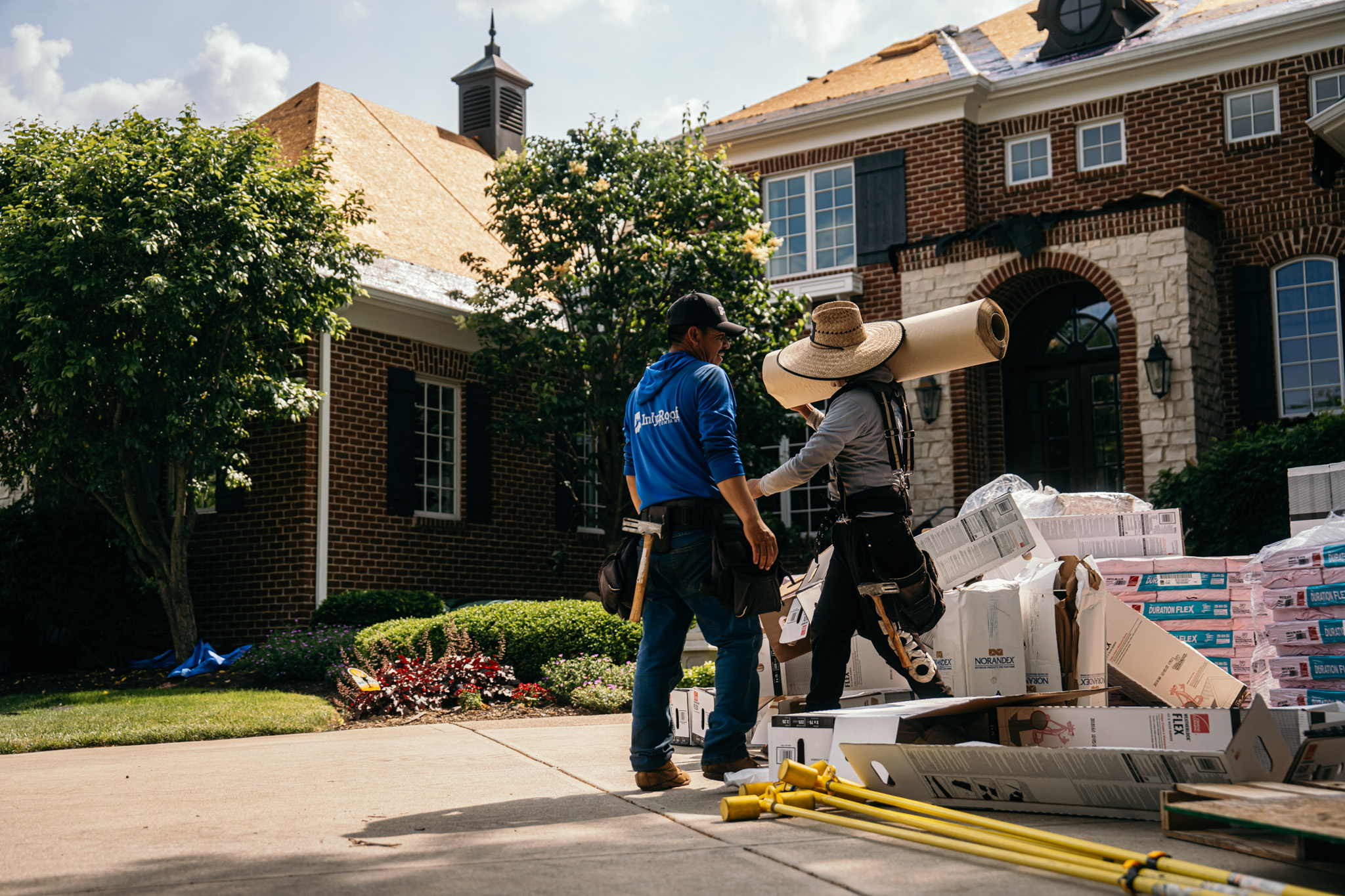
A Complete Guide to Repair vs Replace for a Leaking Roof
Deciding whether to repair or replace a leaking roof is one of the more consequential calls a homeowner makes, and understanding the factors puts a The Hawthorns homeowner in control. This guide covers why a leak does not always mean replacement, how the roof's age and the extent of damage factor in, the significance of recurring leaks and decking condition, the cost comparison, and the role of insurance. The recurring theme is that the right choice matches the roof's actual condition: repair a sound roof with an isolated leak, and replace one that is failing or broadly damaged. Matching the decision to the facts is what makes it cost effective.
Matching the Situation to the Choice
The table below pairs common situations with the choice that usually fits and the reason behind it. Treat it as a starting framework rather than a strict rule, since your roof's specifics and a professional assessment also matter. The recurring theme is that isolated problems on a sound roof favor repair, while age, widespread damage, and recurring leaks favor replacement, so the right call follows from the roof's overall condition more than from the mere presence of a leak.
| Situation | Usual Choice | Why |
|---|---|---|
| Young roof, isolated leak | Repair | Sound roof, localized fix |
| Old roof near end of life | Replace | Repairs only delay replacement |
| Widespread damage | Replace | Patching approaches replacement cost |
| Recurring leaks | Replace | Signals broad deterioration |
| Single leak, sound decking | Repair | Confined, structurally intact |
Recurring Leaks
Recurring leaks are an important signal. A single leak from a clear cause is usually repairable, but a roof that leaks again and again, in one spot or several, is telling you something. For a The Hawthorns homeowner, a pattern of leaks often indicates the roof is reaching the end of its useful life, since a sound roof does not repeatedly fail. While the first leak rarely warrants replacement, repeated leaks suggest repairs are treating symptoms rather than the underlying deterioration. When leaks keep returning despite proper repairs, that recurrence is strong evidence that replacement, not another patch, is the sensible long term answer for the roof.
The Decking Question
The decking can be decisive. A leak caught early may leave the decking sound, supporting a repair, while a long standing or widespread leak that has rotted the decking changes the picture, since compromised structural wood must be addressed and cannot be patched over. For a The Hawthorns homeowner, the decking's condition can turn an apparently simple leak into a larger project, so it is an important part of the assessment. Localized decking damage may still allow a repair that replaces the affected boards, but broad decking deterioration generally tips the decision toward replacement, since the underlying structure, not just the surface, has been affected by the water.
Getting an Assessment
Because the decision depends on factors hard to judge alone, a professional assessment is invaluable. A roofer can evaluate the roof's age, the source and extent of the leak, the decking's condition, and the overall state of the roofing, then advise whether a repair will hold or replacement is wiser. For a The Hawthorns homeowner, an honest assessment turns the decision into an informed choice rather than a guess, providing the facts it requires. Seeking one or more opinions, with estimates for both paths, gives you the information to decide confidently. A reputable roofer recommends repair when it suffices rather than pushing replacement unnecessarily, which is part of why an honest assessment matters.
The Age Factor
The roof's age is one of the clearest guides. A roof well within its expected lifespan generally warrants repair, since it has many serviceable years left, while a roof at or beyond the end of its expected life is usually better replaced, since repairs only postpone an inevitable replacement. For a The Hawthorns homeowner, comparing the roof's age to how long its material typically lasts provides a strong starting point. A young roof rarely justifies replacement over one leak, and an old roof rarely justifies ongoing repairs. Age does not decide the matter alone, but together with the damage extent and leak history, it heavily informs whether repairing or replacing is right.
The Cost Comparison
Comparing costs is central, but it must consider the long term. A repair is much cheaper upfront, which appeals, but on a failing roof, repeated repairs can total more than a replacement would have cost. A measured estimate for both options is the only way to know your real numbers. For a The Hawthorns homeowner, the meaningful comparison is whether the repair is a one time fix on a sound roof or the first of many on a failing one. A single repair that buys years on a good roof is money well spent, while a string of repairs on a worn out roof is not. Estimates grounded in an honest assessment make the comparison genuinely useful.
The Extent of Damage
The extent of the damage strongly shapes the decision. A leak from a small, isolated source is a natural candidate for repair, while damage spread across the roof or affecting the structure points toward replacement. For a The Hawthorns homeowner, assessing the spread is essential, since repairing one area is efficient but patching many approaches the cost of replacement without its benefits. Confined damage favors repair, while extensive damage, especially involving the decking broadly, favors replacement. The pattern and reach of the damage, more than the mere presence of a leak, is what indicates whether a repair will suffice or a replacement is the more practical and economical response.
Making the Right Call
The decision comes down to choosing what fits your roof's actual condition, avoiding both over repairing a failing roof and prematurely replacing a sound one. Repair when the roof is sound and the leak is isolated, and replace when it is failing, broadly damaged, or leaking repeatedly. For a The Hawthorns homeowner, the right call weighs the roof's age, the damage, the leak history, and the comparative cost, ideally informed by a professional assessment. The Hawthorns Roofing helps The Hawthorns homeowners weigh these factors with honest assessments and estimates for both paths, so the decision fits the roof. Call (812) 706-3576 to find out whether repairing or replacing your leaking roof is the better choice for you.
Insurance and the Decision
Insurance can influence the decision when the leak results from sudden, covered damage such as a storm. If a qualifying event caused the damage, insurance may cover much of the repair or replacement cost, leaving you responsible mainly for the deductible, though age related wear is generally not covered. For a The Hawthorns homeowner, checking whether the leak stems from a covered event is worthwhile, since it can change the out of pocket cost of either path and sometimes makes replacement more affordable than it first seems. Your insurer and a professional can help determine what is covered, which is a factor worth establishing before deciding between repairing and replacing the roof.
Why a Leak Is Not Always Replacement
A leak does not automatically mean a new roof, since many leaks come from an isolated, fixable source on a roof that is otherwise sound with years of life left. For a The Hawthorns homeowner, this is reassuring, since replacing a roof over a single isolated leak would often waste money a targeted repair could save. The distinction that matters is whether the leak is a confined problem on a healthy roof or a symptom of broader failure. A failed flashing or a few damaged shingles on a good roof calls for repair, while a leak on an old, worn roof, or one of many recurring leaks, points toward replacement instead.